Camino Archives - Camino Wonders

Archive for category: Camino

Nancy Eskenazi’s Mindful Camino Inglés Experience

Some Camino stories stay with you long after the boots are off. This is one of them. In this episode of The Way to Your Why Podcast, I sat down with Nancy Eskenazi, a pilgrim who walked the Camino Inglés from Ferrol in October 2021, just as the world was slowly reopening after COVID.

What made Nancy’s Camino especially meaningful wasn’t only the route or the timing, but how she walked it: with mindfulness, intention, and deep openness to people and place.

A Camino Rooted in Mindfulness

Nancy didn’t walk with intention alone. She joined a small group of five—most of whom had never met before. They came together from different countries, connected first through Zoom sessions focused on mindfulness, and then committed to walking the Camino as a shared reflective experience.

They weren’t experts.
They weren’t chasing perfection.
They were simply present.

Each day included moments of walking meditation, conscious awareness of their surroundings, and space to be alone when needed. Nancy described the Camino as a “moving meditation”, where physical effort, silence, and nature naturally quiet the mind.

“Walking in that environment, with effort and awareness, brought me closer to God than any building ever has.”

Falling in Love with Galicia and Its People

From the moment Nancy arrived in A Coruña and then Ferrol, she fell in love, not just with Galicia’s beauty, but with its people.

She noticed the elegance of everyday life:

  • Locals gathering in cafés at all hours
  • Conversations flow easily
  • A deep appreciation for quality of life

Even abandoned rural houses were swept clean. Nothing felt neglected. Everything felt cared for.

But what touched her most were the small, human gestures along the way.

Kindness on the Trail

Nancy shared two moments that perfectly capture the spirit of the Camino:

Walking into strength through conversation

When foot pain slowed her down, two local men walked beside her, engaging her in conversation until—without realizing it—she had naturally returned to a stronger pace. One of them gently pointed it out, turning the moment into a quiet lesson in awareness.

Safety offered without hesitation

On a dark roadside stretch, a café owner ran after Nancy and her companion to give them reflective vests and a light—simply because she cared.

“I was so moved I almost cried. That level of care stays with you.”

This is the Camino many pilgrims talk about—not just the path, but the people who walk with you, even briefly.

Practical Choices, Personal Camino

Nancy is very clear about something I strongly believe too:
Everyone walks their own Camino.

Her group chose:

  • Daily backpacks only (essentials, not full luggage)
  • Luggage transfer between stages
  • Private rooms with bathrooms
  • Carefully planned stages to allow rest and reflection

Was it “less authentic”?
Not at all.

It allowed her to fully enjoy the experience—physically, emotionally, and spiritually.

“Let someone else handle the logistics so you can focus on your why.”

That philosophy aligns perfectly with how we approach Camino planning at Camino Wonders.

Rain, Beer, and the Joy of Simplicity

Of course, there were challenges.

Rain-soaked days.
Cold evenings.
Wet boots despite “waterproof” promises.

And yet, laughter prevailed.

Nancy even shared a classic Camino tip she followed faithfully: stopping for a mid-morning beer (often an Estrella Galicia clara)—advice passed down from seasoned pilgrims to ease muscle pain.

Food was simple, affordable, and nourishing. Pilgrim menus, warm tortillas, soups, tapas, often shared for just a few euros.

“I came back radiant. People noticed. I felt different.”

Camino Lessons for Life and Work

One of the most powerful parts of our conversation explored the parallels between the Camino and everyday life, especially work and leadership.

Nancy reflected that the Camino teaches:

  • Patience during uncertainty
  • Trust in others
  • Creative problem-solving when plans change
  • Deep listening and empathy

These aren’t abstract ideas. They’re lived lessons—earned one step at a time.

“When you truly know people, it’s easier to collaborate, tolerate differences, and move forward together.”

Would She Walk With Intention Again?

Without hesitation.

“Many times. If I could, I’d retire and walk Caminos for the rest of my life.”

She recommends the Camino to anyone who:

Enjoys walking (not racing)

Is open to nature and people

Can adapt and let go of control

Sees the journey as a gift to themselves

Nancy was nearly 68 when she walked.
She trained on flat Miami paths.
She wasn’t an athlete.

And yet—she soared.

A Camino That Stays With You

Nancy’s story is a reminder that the Camino doesn’t end in Santiago.

It lingers:

  • In how you listen
  • In how you handle discomfort
  • In how you care for others
  • In how you walk through life

Every time she remembers it, she feels joy again.

And that, pilgrims, might be the greatest sign of all.

Buen Camino.

If this story resonated with you, explore more pilgrim experiences on The Way to Your Why Podcast and follow Camino Wonders for reflections, guidance, and inspiration for your own Camino journey. You can listen full Nancy Episode Here
Every Camino de Santiago story is unique. Recently, I had the pleasure of sitting down with Cristina and Nacho, a couple from Texas who walked the French Way starting in Sarria and finishing in Santiago de Compostela. Their reflections highlight the beauty, challenges, and lessons that the Camino offers to every pilgrim.

Choosing the French Way from Sarria

Cristina and Nacho began their journey in Sarria, the most popular starting point for pilgrims who want to walk the final 100 km of the French Way and earn the Compostela. They traveled from the U.S. to Madrid, then took a train to Sarria before beginning their pilgrimage.

From the very start, the walk became more than a physical journey, it was spiritual, cultural, and personal.

Perfect Weather and Perfect Memories

They walked in September, a time Cristina remembers fondly for its perfect weather—clear skies and no rain. Walking at their own pace (Nacho a little ahead, Cristina slower but steady), both found joy in different ways:

  • Connection with faith: For Cristina, the Camino deepened her relationship with God.
  • Health and well-being: The daily walking was both exercise and emotional renewal.
  • Enjoying nature: From small towns to rolling countryside, the scenery provided beauty and peace.

And of course, there were the little pleasures, like freshly squeezed orange juice from roadside cafés, a simple joy Cristina still recalls with a smile.

Overcoming Challenges on the Camino

No Camino is without difficulties. Cristina developed blisters despite using Vaseline and Compeed, and resorted to wrapping her feet with gauze to keep moving. They also learned valuable lessons, such as eating before checking into their hotels.

Once, after arriving in town and taking time to shower, they found every restaurant closed for the Spanish afternoon break. Their improvised dinner of bread, ham, and cheese became a memorable Camino story in itself.

Walking with Intention

Both pilgrims approached the Camino thoughtfully:

  • They trained in Texas for weeks before leaving, walking seven miles daily to build stamina, though they recommend hills whenever possible since the Camino includes challenging ascents and descents.
  • They carried only light daypacks, sending luggage ahead to reduce strain. Cristina quickly realized her camera was too heavy and switched to using just her phone for photos.
  • They chose hotels over albergues, preferring private rooms and bathrooms to recharge for the next day’s walk.

Community on the Road

Along the way, Cristina and Nacho met pilgrims from around the world.

Cristina was especially moved by encountering fellow Venezuelans, which gave her a sense of connection and comfort. They also witnessed inspiring moments of solidarity, like three friends helping their companion complete the Camino in a wheelchair, one pulling, one pushing, and one guiding.

Spirituality and Daily Rituals

For Cristina and Nacho, attending Mass each evening was an important part of their Camino. Staying in town centers allowed them to walk to churches easily and integrate faith into their journey. For them, the Camino was not only a physical achievement but also a spiritual practice.

A Taste of Galicia

Food and drink also left lasting memories. Nacho especially loved pulpo (octopus), while Cristina preferred chorizo, tortillas, and those unforgettable orange juices. They discovered the importance of timing meals in Spain, and they enjoyed returning to favorite restaurants—even twice in one day!

After Santiago: Exploring Galicia

Cristina and Nacho recommend staying several extra days in Santiago and exploring Galicia. After finishing their Camino, they rented a car and visited Vigo, Pontevedra, Asturias, and the stunning Playa de las Catedrales. They also toured a cooperative winery in the Rías Baixas region, learning about Albariño wine production. They even made it to Fisterra, once thought to be the “end of the world.”

Advice for Future Pilgrims

Cristina’s main advice: train and prepare, physically and mentally.

  • Be ready for long walks, blisters, and the unexpected.
  • Stay flexible and open to meeting people from around the world.
  • Walk with intention, whether your Camino is about faith, fitness, nature, or connection.
  • And, perhaps most importantly, carry light, every ounce counts.

Why They’d Walk Again

When asked if they would do it again, Cristina answered without hesitation: yes. Despite the blisters and the tired legs, the Camino gave them peace, beauty, and unforgettable memories. Next time, they may try a different route, perhaps the Northern Way or even the Portuguese Coastal Camino, but the draw of the Camino remains strong.

Cristina summed it up beautifully: “It was peaceful, it was painful, it was beautiful.”

Every Camino has its challenges, but it also offers pilgrims the chance to connect with themselves, with others, with nature, and with something greater.

Buen Camino!

To prepare to the Camino de Santiago as a Digital Nomad, life is a blend of freedom, flexibility, and the constant pursuit of meaningful experiences. You’re used to juggling client calls from remote corners of the world and squeezing in sightseeing between deadlines. But the Camino de Santiago isn’t your average working trip — it’s a pilgrimage. A chance to pause, reflect, and move forward with clarity.

If you’re craving a slower pace, deeper purpose, and time to realign your personal and professional goals, walking the Camino might be exactly what you need.

Here’s how to prepare for the journey while still keeping your business running.

1. Choose the Right Route

There’s more than one way to Santiago, and each route offers something unique. The Camino Francés is the most popular, with plenty of accommodations, Wi-Fi access, and support infrastructure — ideal if you need consistent connectivity.

If you’re looking for something quieter and more scenic, consider the Camino Portugués or Camino del Norte. Just be aware that these routes might have fewer tech-friendly stops and less cell service.

Choose based on your timeline, walking ability, and how connected you need to be.

2. Plan for Limited Wi-Fi (and Welcome It)

You’ll find Wi-Fi at most albergues and hotels, but expect it to be spotty — especially in rural villages. Streaming or video calls aren’t always reliable. Be prepared with backup options:

  • A local SIM card with plenty of data (Vodafone and Orange are solid choices)
  • A pocket Wi-Fi device if you’re planning a longer stay
  • Offline access to your files and project materials

Many nomads schedule their work hours around rest days or plan to work from larger towns with better infrastructure. Others take this time to unplug and focus on deep thinking or content planning.

3. Pack Light, Think Smart

Your backpack is your office and your home on this journey. The lighter, the better — but don’t skip the essentials.

Digital nomad must-haves include:

  • A lightweight laptop or tablet
  • Portable battery pack
  • Universal adapter
  • Waterproof tech pouch
  • Durable, reliable hiking shoes
  • Blister prevention and foot care gear

If juggling gear, walking, and working feels overwhelming, consider using a luggage transport service. Your bag travels ahead, and you walk without the weight.

How to Prepare to the Camino de Santiago as a Digital Nomad

4. Adapt Your Work Rhythm

Your usual workday won’t translate directly to the Camino — and that’s the point. Adjust your schedule to fit the flow of the journey.

  • Set a clear autoresponder that manages expectations
  • Communicate your availability with clients or team members
  • Batch content, schedule ahead, and automate wherever possible
  • Plan to work 2–4 hours in the afternoons or evenings after walking

Spain operates on Central European Time, so adjust accordingly. You may find that this slower pace boosts your creativity and clarity.

5. Make Space for the Experience

The Camino isn’t just a walk — it’s a journey of intention. As a digital nomad, you’re constantly moving, but the Camino invites you to slow down and move with purpose.

Let the quiet moments guide you. Journal. Reflect. Talk to fellow pilgrims. Take in the scenery without checking your phone. Give yourself permission to just be — no performance, no hustle, no algorithm to please.

6. Walk. Work. Realign.

At Camino Wonders, we design Camino journeys specifically for digital nomads and remote professionals. Whether you want to unplug completely or balance walking with part-time work,we help you map a route that meets your personal and professional goals.


We take care of your lodging, transfers, and route planning — so you can focus on the experience, not the logistics.
Start to prepare your Camino de Santiago as a Digital Nomad by scheduling a call with us. Your next chapter starts with one step.

A Dream Inspired by a Name

When Walking Toward Santiago, we think about why people choose to walk the Camino de Santiago, the reasons are as varied as the pilgrims themselves, spirituality, healing, adventure, reflection. But for Luisana, known to her students as La Profe de Español, the spark was something simple and heartfelt: her youngest son’s name is Santiago.

In our latest episode of The Way to Your Why, Luisana joined us to explore her growing interest in the Camino de Santiago, even though she hasn’t walked it yet. As a language educator and mother of three, she shares how this pilgrimage has been in the back of her mind for years, waiting for the right moment to become a reality.

Why the Camino?

“My reason might sound silly to some,” Luisana laughs, “but it’s because of my son’s name Santiago. I didn’t name him after the Camino, but once he was born, I felt this connection.”

Now that Santiago is 13, Luisana is planning to make the pilgrimage with her entire family in the coming years, before he heads off to college. She’s drawn not only by spiritual and symbolic significance but also by the culture, the people, and, of course, the food.

Walking Together… or Alone toward Santiago?

Walking Toward Santiago

Luisana wonders aloud about the dynamics of walking the Camino as a family. Will they stick together? Will the rhythm of the road split them up? We talked about how common it is for even tight-knit groups to find their own pace, meeting up again later in the day or at designated stops. It’s all part of the Camino magic, your journey becomes uniquely yours.

Safety, Planning, and Peace of Mind

One of Luisana’s biggest questions was about safety, especially as a woman possibly walking solo. We told her that Spain, and especially the Camino routes are known for their safety and the kindness of locals and fellow pilgrims. From well-marked paths to helpful villagers, the support system is real. We also covered how our agency, Camino Wonders, helps take the logistical stress out of the journey arranging lodging, luggage transfers, and curated experiences so that pilgrims like Luisana can focus on their why, not the how.

Food as Motivation

Luisana lit up when we talked gastronomy. She and her husband are food lovers, so we discussed the unbeatable culinary highlights of the Portuguese Coastal Route, fresh seafood, local wines, and the ever-famous pimientos de Padrón, a personal favorite I order every time I stop!

Final Thoughts

Luisana’s curiosity and enthusiasm reminded me of the anticipation many feel before their first Camino. Her thoughtful questions, from when to go to how the Compostela is earned, make this episode a great listen for anyone dreaming of walking the Way.

Want to hear the full conversation?

Watch the episode HERE

Buen Camino!

The Four Caminos de Santiago are more than just a pilgrimage it is an experience that evolves with every step and every stage of life. On a recent episode of The Way to Your Why podcast, we spoke with Francisco, a doctor from Seville, Spain, who has completed four Caminos and shared his transformative journey from adolescence to adulthood through the Camino de Santiago.

Four Caminos, Four Perspectives

Francisco first walked the Camino Francés from Ponferrada at just 15 years old as part of an organized group with his local church. It was a joyful experience, filled with youthful energy and a sense of adventure. He later returned to the French Way at 36, walking from Sarria with a completely different mindset, seeing the Camino through the eyes of an adult seeking reflection and personal growth.

His journey continued with the Portuguese Central Way from Tui, and his favorite, the Primitive Way from Oviedo known for its solitude, rugged landscapes, and deep historical roots.

From Youthful Adventure to Spiritual Reflection in four Caminos


Walking the Camino as a teenager was a liberating experience for his first time away from home, disconnected from technology, and surrounded by peers. Francisco recalls using public phone cabins to call home, a stark contrast to today’s mobile-connected world.

Years later, his adult Caminos were marked by a deeper connection to history, faith, and self-reflection. While youthful Caminos were about fun and camaraderie, his later journeys became a spiritual retreat, a chance to reset after years of intense medical training and treating COVID-19 patients.

Caminos Change, But Some Things Remain

Francisco noted how much the Camino has evolved over the years. Infrastructure has improved, with more hostels, way markers, and support services. However, some elements remain timeless, such as the stone bridge between Melide and Arzúa, which he found unchanged after 20 years.

The Camino still offers the same fundamental lessons: adaptability, perseverance, and gratitude.

Albergues vs. Hotels: Two Ways to Experience the Camino

Francisco has walked the Camino in both traditional albergues (pilgrim hostels) and more comfortable accommodation like hotels and private rooms. As a teenager, he embraced the communal aspect of albergues, even sleeping in sports centers and
churches.

Despite preferring hotels now, he acknowledges that albergues create a strong sense of community, where pilgrims share meals, stories, and laughter. It’s not about where you sleep, but the connections you make.

four caminos

The Magic of the Primitive Way

Among his four Caminos, the Primitive Way from Oviedo to Santiago holds a special place in his heart.

For those seeking a more introspective, less commercialized Camino, he highly recommends this route.

The Camino Is for Everyone

Francisco emphasizes that the Camino is a personal journey, some walk for faith, others for adventure, and some simply for a break from routine. There’s no “right way” to do it, and whether you stay in albergues or hotels, walk alone or in a group, what matters is the experience of the journey itself.

Next Stop: Finisterre and Muxía

Francisco’s journey isn’t over yet. Next month, he will be walking the Finisterre-Muxía route, an extension of the Camino leading to the legendary “End of the World.” As he continues his pilgrimage, he carries with him the lessons of his past Caminos: gratitude, resilience, and the willingness to embrace the unknown.

Buen Camino, Francisco!

Listen to the full podcast episode here

A conversation with a Future Pilgrim

At Camino Wonders, when exploring the Camino de Santiago, we love sharing stories from pilgrims who have walked the Camino. But in our latest The Way to your Why Podcast episode, we did something a little different—we spoke with Sam, an adventurer, photographer, and cyclist who hasn’t yet walked the Camino but is eager to learn more.

Sam first discovered the Camino through the movie The Way starring Martin Sheen. Later, while visiting Santiago de Compostela, he saw pilgrims arriving at the cathedral, their backpacks adorned with the iconic scallop shell, the universal symbol of the Camino. Seeing their excitement made him curious—what is it about this pilgrimage that draws people from around the world?

A Future Pilgrim’s Questions About Exploring the Camino de Santiago

During our conversation, Sam had plenty of great questions about preparing for the Camino. If you’re considering your own pilgrimage, you may find these answers helpful too!

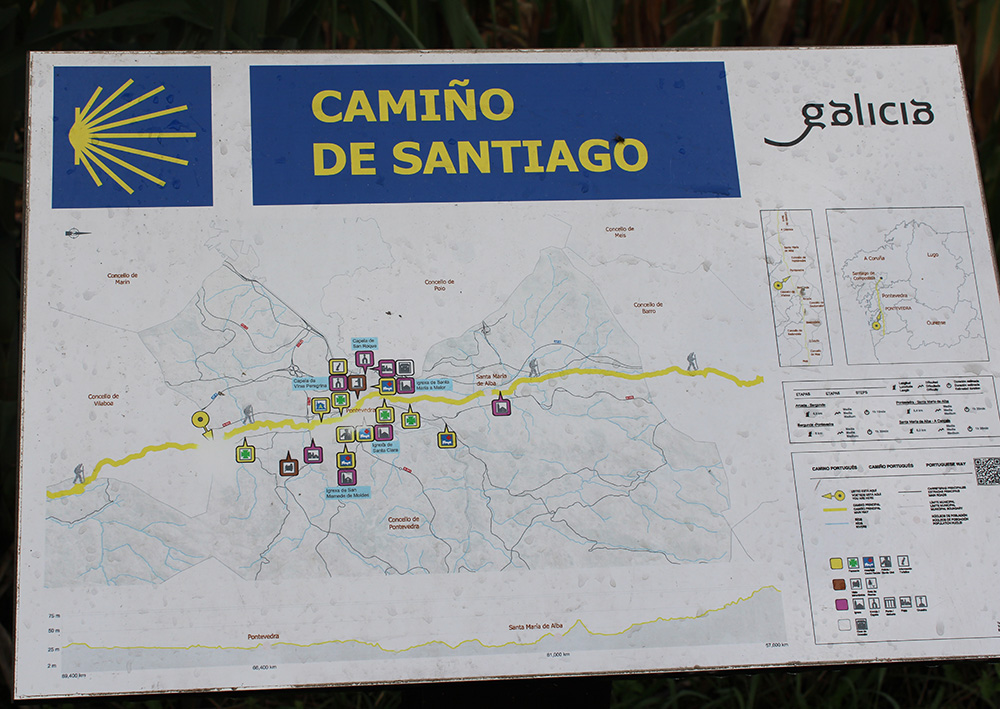
Pilgrim's map and exploring the camino de santiago

How Do Pilgrims Find Their Way?

The Camino is marked by yellow arrows and scallop shell symbols on posts, buildings, and sidewalks. These signs help guide pilgrims along the route and often indicate the distance remaining to Santiago de Compostela.

Can You Cycle the Camino Instead of Walking?

Yes! While most pilgrims walk, some prefer to bike the Camino. However, the requirements for earning a Compostela certificate differ:

  • Walkers must complete at least 100 km on foot.
  • Cyclists must ride at least 200 km to qualify.
  • Biking offers a different perspective of the Camino and allows travelers to cover more ground in a shorter time. Some even choose to combine biking and walking for a unique experience.

What Are the Best Seasons to Walk the Camino?

Sam prefers to travel in cooler months, so we discussed the best times of the year to walk the Camino:

  • Spring (March–May) – Mild temperatures, fewer crowds, and blooming landscapes.
  • Fall (September–October) – Comfortable weather, stunning autumn colors, and fewer tourists.
  • Summer (June–August) can be quite hot, especially in Spain, and tends to be the busiest time since many locals take their vacations then.
  • Winter (November–February) is much quieter but can be challenging due to colder temperatures and occasional closures along the route.

Is It Possible to Fly a Drone on the Camino?

As a landscape photographer, Sam was interested in capturing aerial views of the Camino. While flying a drone is allowed in some rural areas, regulations can vary—especially near cities, heritage sites, and airports. If you plan to bring a drone, it’s best to check Spain’s aviation rules and get proper permissions when needed.

Can You Customize the Camino to Fit Your Schedule?

Absolutely! The Camino is highly flexible:

  • You can walk a short section (100+ km) to earn a Compostela.
  • You can choose from various routes, including the French Way, Portuguese Coastal Way and English Way.
  • If you only have one or two weeks, you can select a starting point that fits your available time.
  • Some pilgrims opt for luggage transfers, allowing them to walk with a light daypack while their bags are transported between accommodations.

Can You Walk the Camino in Reverse?

While Exploring the Camino de Santiago, most pilgrims travel toward Santiago, it’s possible to walk backward along the route. Some pilgrims even continue beyond Santiago to Finisterre and Muxía, historically known as “the end of the world.”

Why Sam Wants to Walk the Camino?

For Sam, the Camino is appealing for multiple reasons:

  • Photography – Capturing Spain’s diverse landscapes, ancient villages, and historical architecture.
  • Nature & Adventure – Enjoying the beauty of the trails, forests, and open countryside.
  • History & Culture – Exploring medieval churches, Roman bridges, and charming towns along the way.
  • Biking & Hiking – Deciding whether to walk or cycle for a more immersive journey.

Though he hasn’t set a date yet, Sam hopes to embark on the Camino in the near future – possibly with his wife, who shares his love for the outdoors.

Final Thoughts: A Journey for Everyone

The Camino de Santiago is more than just a walk it’s a personal journey that can be tailored to any traveler’s needs. Whether you’re seeking adventure, reflection, or connection, the Camino welcomes you.

Are you considering Exploring the Camino de Santiago?

Do you have questions like Sam? Let us know in the comments!

Ready to start planning your Camino? Check out our custom tour packages for a stress-free and unforgettable pilgrimage experience.

Listen to the full podcast episode here: https://youtu.be/rWtMMkj8J2c

Finding Yourself on the Camino: An Unexpected Journey of challenge

The Camino de Santiago isn’t just a walk; it’s an immersion. An ancient pilgrimage route across Spain, it’s a journey that strips away the familiar and throws you headfirst into a world of unexpected challenges and surprising beauty. Forget your usual routine – the Camino dictates its own rhythm, a unique blend of physical exertion, inner reflection, and shared human experience.

A Different Kind of Day

Forget your alarm clock. On the Camino, the day begins with the sunrise and the rustling of fellow pilgrims packing their bags. The initial aches and stiffness soon give way to a hypnotic rhythm, your focus narrowing to the path beneath your feet and the ever-changing scenery. Some days you’ll fly, energized by the camaraderie and the stunning landscapes. Others, it’s a slog, a test of your resilience as you push through fatigue and blisters. Yet, there’s a strange satisfaction in this simple cycle of walking, resting, and repeating.

Sleeping with Strangers, Finding Your Tribe

Forget hotels and resorts. The Camino offers a unique tapestry of accommodation, from the humble albergues to quaint countryside guesthouses. Albergues, with their rows of bunk beds and shared bathrooms, are a crash course in communal living. Expect snoring, laughter, and late-night conversations that transcend language barriers. These shared spaces become unlikely incubators of friendship, where stories are exchanged and bonds are forged over aching limbs and shared meals.

A Culinary Adventure

Forget your usual diet. Food on the Camino is a delightful mix of rustic simplicity and regional specialties. Pilgrim menus offer hearty, traditional fare, like the warming caldo gallego soup or the ubiquitous tortilla española. But the real culinary adventure lies in discovering local delicacies in hidden cafes and enjoying impromptu picnics with newfound friends. Sharing simple meals of bread, cheese, and fruit under the Spanish sun takes on a whole new meaning.

The Inner and Outer Journey

Forget your worries. The Camino is a rare opportunity to disconnect from the everyday and connect with yourself. Hours spent in quiet contemplation, with only the sounds of nature for company, allow for deep introspection and self-discovery. Yet, it’s far from a solitary pursuit. The Camino weaves a tapestry of human connection, bringing together people from all corners of the globe. These chance encounters, fueled by shared experiences and mutual support, often blossom into lifelong friendships.

The Camino de Santiago is a journey unlike any other. It’s a physical challenge, a spiritual awakening, and a cultural immersion all in one. It’s about pushing your limits, embracing the unexpected, and discovering the transformative power of human connection. Ultimately, the Camino is not just about reaching Santiago; it’s about finding yourself along the way.

Walking The Camino de Santiago teaches lessons that extend far beyond the trail, offering insights that are deeply relevant to our work lives. Here’s how:

1. Finding Clarity in Simplicity

On the Camino, the focus is on the essentials: walking, connecting, and reflecting. Similarly, in work, clarity often comes when we strip away distractions and focus on what truly matters. Simplifying processes, prioritizing tasks, and creating space for strategic thinking can lead to greater efficiency and innovation.

2. Listening to Yourself and Others

The Camino is a place to hear yourself, both physically and emotionally. In the workplace, this translates to self-awareness and active listening. Understanding your own strengths, emotions, and motivations helps you lead better, collaborate more
effectively, and make decisions that align with your values.

3. Building Resilience

Every pilgrim faces challenges long days, physical discomfort, or moments of doubt. Yet, the Camino teaches you to keep going, one step at a time. In work life, resilience is just as crucial. Facing setbacks with a mindset of perseverance and learning builds character and leads to long-term success.

4. Fostering Connection and Empathy

The camaraderie of the Camino mirrors the importance of teamwork in the workplace. Meeting people with diverse backgrounds and stories fosters empathy a key skill for building strong professional relationships and navigating conflicts with understanding.

5. Celebrating Progress and Small Wins

Each step on the Camino is progress toward your goal, and every milestone whether a scenic view or a village café deserves celebration. In the workplace, recognizing achievements, no matter how small, keeps teams motivated and reinforces a culture of appreciation.

6. Balancing Goals with the Journey

The ultimate destination of the Camino, Santiago, is significant, but the journey itself is
what transforms you. In work life, focusing not just on outcomes but on the process of
how we work, collaborate, and grow ensures a more fulfilling and sustainable career.

Bringing the Camino Spirit to Work The Camino teaches us to approach challenges with
an open heart, embrace collaboration, and seek purpose in what we do. By applying
these lessons to our professional lives, we can create workplaces that are not just
productive but also deeply rewarding.

Buen Camino in your work journey! 

A Testament to Growth, Connection and Resilience

Walking the Camino de Santiago offers a unique opportunity to embody values that resonate deeply with personal and professional development. Its paths challenge individuals to balance preparation, perseverance, and adaptability while fostering meaningful connections and cultural appreciation.

Walking the Camino is more than a physical journey, it is an exercise in discipline, resilience, and self-discovery. Each step emphasizes the importance of preparation, whether through physical training, logistical planning, or mental readiness. This principle mirrors the professional value of thorough preparation as the foundation for achieving long-term success.

The Camino’s diverse routes, from the iconic French Camino to the quieter Primitive Way, highlight adaptability and the ability to navigate varied terrains and challenges. These experiences remind us of the importance of flexibility and resourcefulness in dynamic environments.

Connection plays a central role in the Camino experience. Whether engaging with fellow pilgrims from around the globe, forming lifelong friendships, or sharing stories over meals, the Camino fosters community and collaboration. This reflects the professional emphasis on teamwork and the enrichment that comes from learning from others.

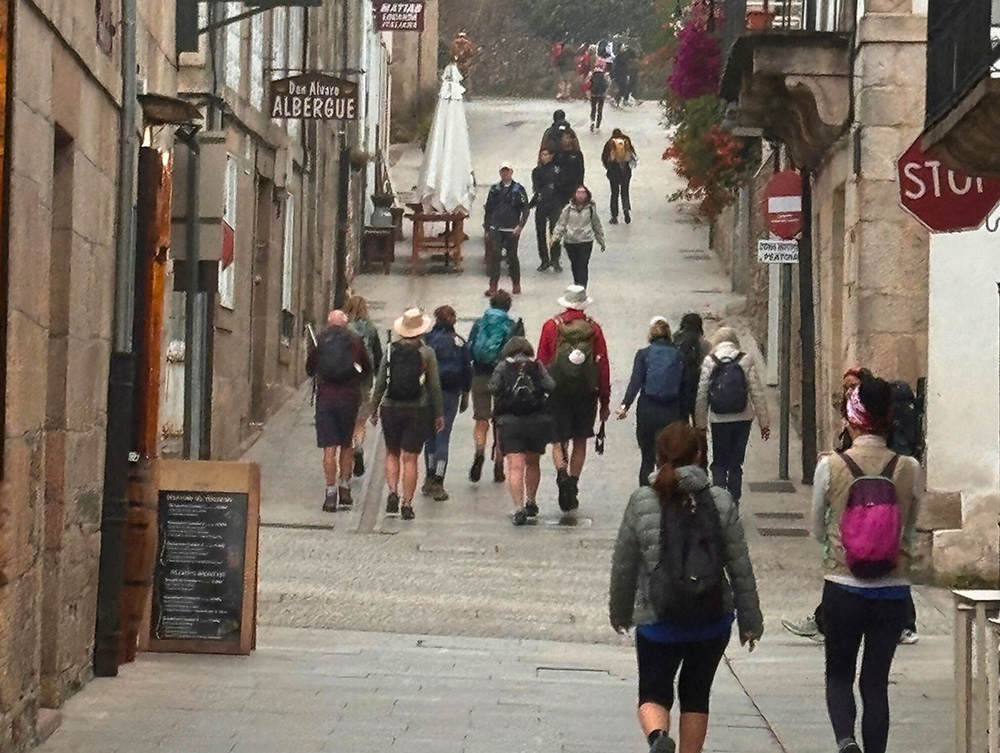
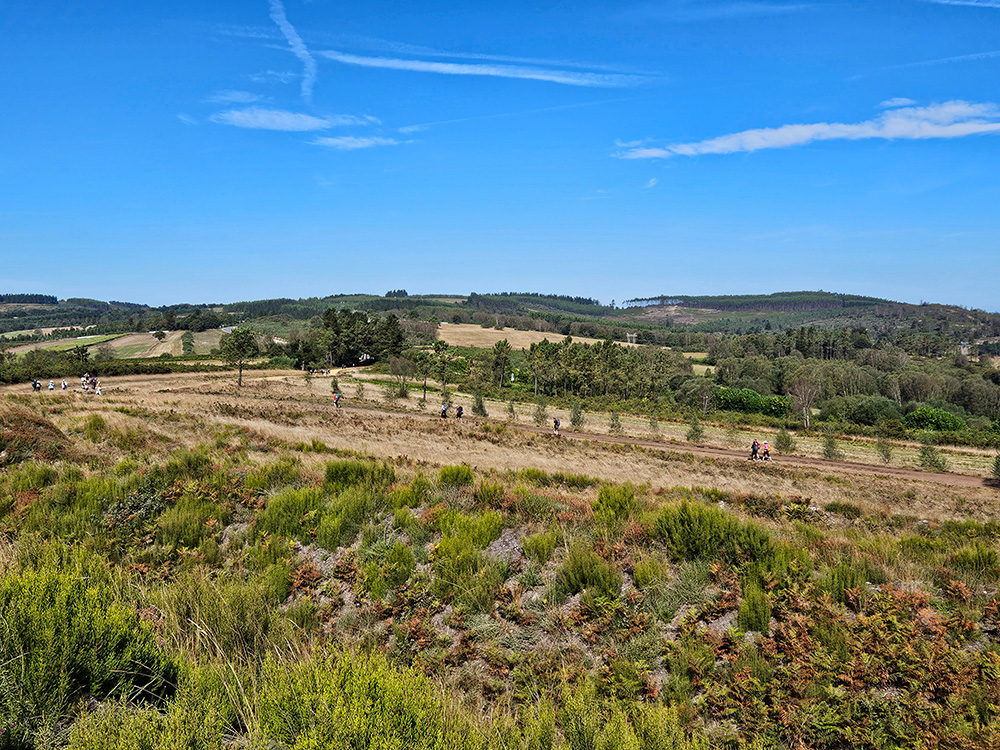
People walking the camino

Cultural appreciation is another cornerstone of the Camino experience. From savoring local cuisines like the renowned Galician octopus in Melide to observing centuries-old traditions, the Camino encourages participants to embrace diversity and find value in varied perspectives. Similarly, organizations thrive when they respect and integrate diverse ideas and cultures.

Ultimately, the Camino exemplifies the importance of celebrating milestones. Reaching Santiago after days or weeks of walking brings a profound sense of achievement, akin to the fulfillment of reaching professional goals through consistent effort and dedication.

The Camino de Santiago is not merely a path but a journey that encapsulates the core values of growth, connection, and resilience. It is a reminder that, in both personal and professional life, success is built one step at a time, enriched by the people and experiences along the way.

Buen Camino!

Integrating Lessons from the Camino de Santiago it’s a journey that reflects values essential to personal growth and professional success. This iconic path has inspired many, not only through its rich history and cultural significance but also through the lessons it offers about purpose, adaptability, and collaboration.

The Initial Spark: Santiago de Compostela

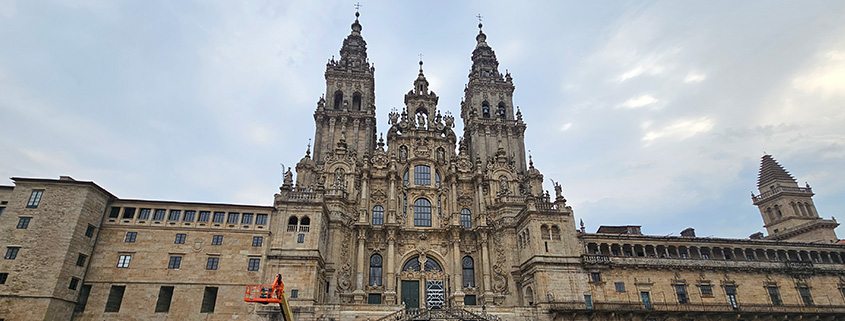
For many, the journey begins with a story, a conversation, or even a movie like Martin Sheen’s The Way. Santiago de Compostela, the endpoint of this ancient route, captivates visitors with its vibrant streets, historic architecture, and the sight of pilgrims following the iconic scallop shell markers. These shells symbolize guidance and purpose reminding us of the importance of having a clear direction in both life and work.

Curiosity and Exploration: Questions That Drive Growth

The Camino naturally sparks curiosity. Questions about its logistics, challenges, and opportunities resonate far beyond the pilgrimage itself:

Adapting to restrictions: Like navigating drone regulations along the Camino, professionals often face rules and constraints that require creative problem-solving.

Balancing logistics with goals: Planning a Camino journey whether walking or biking mirrors how professionals strategize to achieve objectives efficiently.

Timing for success: Choosing the right season for the Camino reflects the importance of identifying the optimal moment for action in a professional context.

Flexibility and Personalization: The Camino is known for its flexibility. Pilgrims can choose long or short routes, walk or cycle, and plan their journey to fit their needs. This adaptability serves as a reminder that in the workplace, tailoring approaches to individual and team strengths creates opportunities for success and growth.

Connection and Collaboration

Walking the Camino is not just a solo endeavor, it’s a shared experience. Pilgrims often form connections, support one another, and share insights along the way. These relationships mirror the value of collaboration in professional teams, where mutual support and shared goals foster unity and resilience.

Lessons for the Workplace

The Camino de Santiago provides timeless lessons that can inspire professional teams:

  • Purpose: Define meaningful goals that align with broader objectives.
  • Curiosity: Foster a mindset of inquiry to drive innovation and improvement.
  • Adaptability: Embrace change and adjust strategies to overcome challenges.
  • Collaboration: Build strong connections and value diverse perspectives.

Applying the Spirit of the Camino

The Camino de Santiago exemplifies values that motivate and inspire. Its lessons encourage individuals and teams to approach their goals with clarity, flexibility, and a spirit of collaboration. Whether navigating a workplace challenge or embarking on a personal journey, the principles of the Camino provide a powerful framework for success.

Buen Camino! to all who strive for growth and purpose in their work and lives.

Encounter. Explore. Enjoy. El Camino Awaits!

Schedule a Call Now!

Copyright©2024-26 by Camino Wonders. All Rights Reserved